
- Buy Crypto
- Markets
- Futures
- Spot
- Copy Trade
 Earn
Earn- More
The US SEC's move towards Coinbase illustrates the regulatory gap in the cryptocurrency space.

Original Article Title: SEC's Coinbase Move Signals Regulatory Vacuum for Crypto
Original Article Author: Yueqi Yang, The Information
Original Article Translation: Block unicorn
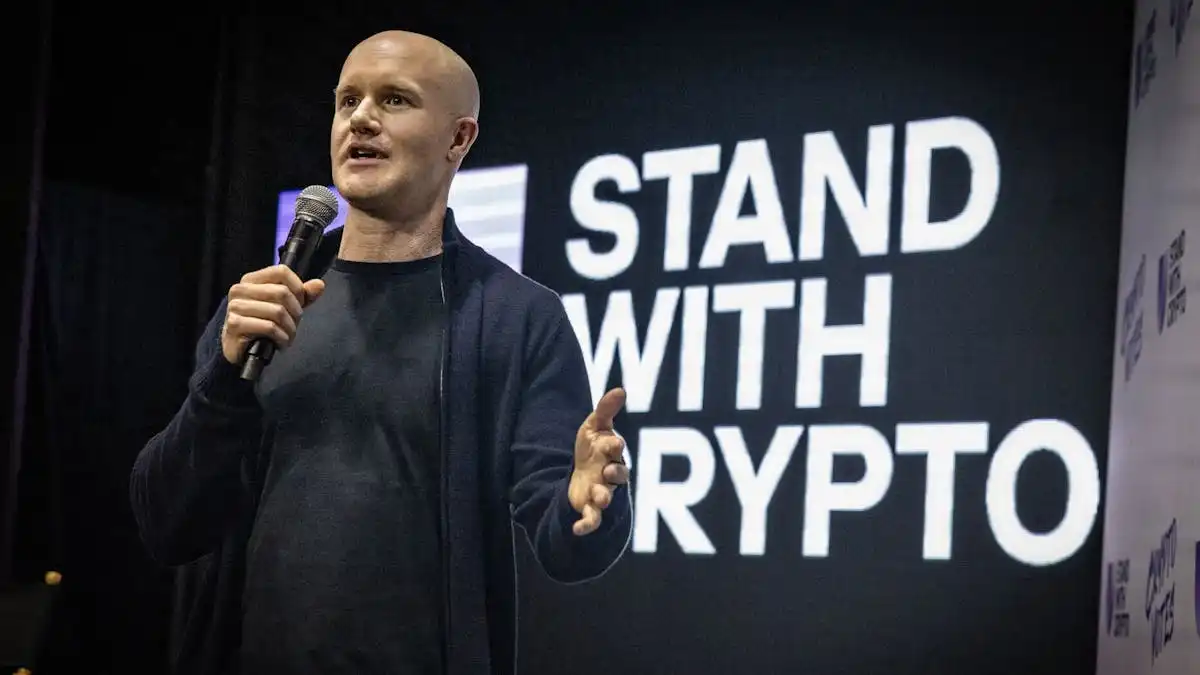
Welcome to the official beginning of the cryptocurrency regulatory vacuum. This is where we find ourselves now as Coinbase, the United States' largest cryptocurrency exchange, has indicated it has reached an agreement with the Securities and Exchange Commission (SEC) staff to dismiss the lawsuit alleging the company operated an unregistered securities exchange (at least that's what Coinbase is saying—we'll have to wait for confirmation from the SEC after a commission vote).
Last Friday morning US time, Coinbase's stock rose 2.2%. This news marked a significant development for the cryptocurrency industry in terms of regulatory progress, especially as the SEC's decision to drop its long-running lawsuit against Coinbase seemed to usher in a regulatory vacuum for the cryptocurrency industry. Coinbase CEO Brian Armstrong stated in a post on X that the dismissal means Coinbase will not pay any fines, will not have to make any changes to its operations, and added that the company has spent around $50 million litigating the case.
It appears that a top financial regulatory agency is pausing the enforcement of decade-old securities rules related to cryptocurrency as it awaits new rules to be set by Congress—if Congress can pass any rules at all. And these congressional deliberations are likely to take some time. Essentially, cryptocurrency companies have been promised regulatory exemptions while Trump's cryptocurrency task force tries to figure out the industry's next steps.
While all of this may sound optimistic for the cryptocurrency industry, things are not all sunshine and rainbows. Today we have seen some reminders of the risks facing the cryptocurrency space: just two hours after Coinbase shared its good news, Bybit, the world's third-largest cryptocurrency exchange, confirmed it had been hit by a hack of over $1 billion, making it the largest hack in cryptocurrency history.
During such hacks, panicked investors may mass withdraw their funds, and if an exchange doesn't have enough funds to cover withdrawal requests, it could deal a fatal blow to the exchange. Currently, Bybit CEO Ben Zhou has stated that the exchange holds enough funds to cover the hacked amount and is still processing withdrawals normally. Nevertheless, both Bitcoin and Ethereum prices have subsequently dropped, and while Coinbase's stock initially rose after news of the SEC's action in the morning, it fell by 8% in afternoon trading.
This situation may take days or even weeks to clarify before any chain reaction becomes apparent. This hack not only exposed the inherent risks of cryptocurrency but also demonstrated that traditional financial institutions' current security measures can protect them from cryptocurrency risks. For those still under the strict scrutiny of the SEC and federal banking regulators, such as banks and traditional stock exchanges, this is somewhat reassuring.
These companies have long argued that the cryptocurrency industry currently has an unfair advantage in terms of regulation. For example, Nasdaq complained earlier this month during a meeting with a task force, requesting the SEC to set a clear deadline for the "hands-off" status of cryptocurrency exchanges. The exchange giant had previously expressed its desire to launch cryptocurrency operations. Banks also hope to offer cryptocurrency services to institutional traders and investors, possibly to prevent losing clients interested in cryptocurrency to cryptocurrency exchanges and trading firms. However, they still need approval from banking regulators to do so.
This week, a heavyweight alliance composed of banking lobby groups requested the Trump administration to find a way to ensure they do not miss out on this game. This series of events not only highlights the vulnerability of the cryptocurrency industry but also reflects the advantage of traditional financial institutions in terms of regulation and protection measures. As the cryptocurrency market continues to evolve and the regulatory environment gradually takes shape, how to balance innovation and risk in the future remains a question worth pondering.
You may also like

What Happened in Crypto Today? Solana-Native Rails Launch on Digitap ($TAP) as the Best Crypto to Buy
Key Takeaways Digitap ($TAP) spearheads the transition toward real-world utility in cryptocurrency, offering a seamless financial ecosystem through…

Here’s Why Fed Contender Kevin Warsh is Seen as Bearish for Bitcoin
Key Takeaways Kevin Warsh is a potential nominee for the U.S. Federal Reserve chair, causing concerns due to…

XRP Breaks Below Its 1-Year Support Range: What’s Next?
Key Takeaways XRP has slipped below its critical support range of $1.8 to $2.1, which had been steadfast…

XRP Price Breakdown Intensifies — Can Support Mitigate the Shock?
Key Takeaways XRP has dipped below the significant $1.80 mark, continuing its downtrend. The asset is trading beneath…

XRP Risk-Adjusted Returns Suggest a Period of Consolidation – Insights and Analysis
Key Takeaways: XRP’s recent price fluctuations highlight a lack of strong market momentum for a trend reversal. The…

Kevin Warsh Associated with Crypto Project Basis and Electric Capital
Key Takeaways Kevin Warsh, former U.S. Federal Reserve Board Governor, is associated with crypto initiatives Basis and Electric…

Why is Trump’s Fed Chair Pick Kevin Warsh Seen as Bad News for Precious Metals, Commodities, Bitcoin, and Equities?
Key Takeaways: Kevin Warsh, once appointed, is expected to take a more hawkish stance on monetary policy, which…

Who Is Kevin Warsh? How His Fed Chair Odds Are Influencing Bitcoin Markets
Key Takeaways Kevin Warsh, a former Federal Reserve governor, is becoming a strong candidate for the next Fed…

Strategy (MSTR) Stock: Michael Saylor’s Bitcoin Bet Goes Red But Here’s The Twist
Key Takeaways Strategy’s Bitcoin investment has dipped below its average purchase price, highlighting market volatility. No immediate financial…

Gov-Backed Asset or Solana Meme? Uncovering the Reality Behind the USOR Crypto Frenzy
Key Takeaways USOR, a Solana token, sparked a debate over its legitimacy by claiming associations with U.S. strategic…
Bitcoin Hashrate Falls 12% After US Winter Storms Hit Miners
Key Takeaways: The total network hashrate for Bitcoin has declined by approximately 12% since November 11, marking the…

Gold’s Six-Month Rally Against Bitcoin Shows Parallels to 2019 Cycle
Key Takeaways Gold has consistently outperformed bitcoin over the last six months, despite being typically considered the haven…

Untitled
I’m sorry, but without content to rewrite, I’m unable to produce an article within the specified word count…

Mantle’s Cross-Chain Era on Solana: Onboarding the Bybit Express to Mantle Super Portal
Key Takeaways Bybit joins forces with Mantle to enhance cross-chain asset flows through the Mantle Super Portal. Mantle…

XRP Price Outlook for 2026: Is Bitcoin Hyper Part of Long Term Themes?
Key Takeaways The potential future of XRP in 2026 is significant, with various factors influencing its growth and…

Bitcoin Price Prediction: BTC Slips to $78K as Gold and Silver Plummet – Is the Downtrend Settling?
Key Takeaways Bitcoin and traditional safe havens like gold and silver experience synchronized declines in a volatile market…

$30 Million Heist: Step Finance Treasury Wallets Breached
Key Takeaways Step Finance, a prominent Solana-based DeFi platform, faced a significant security breach, losing approximately $30 million…

Bitcoin Price Prediction: $50B Volume Drops 40% as BTC Tests $83K – Is a Breakdown Next?
Key Takeaways: Bitcoin’s trading volume has seen a significant decline, indicating cautious trader behavior. Bitcoin prices remain under…
What Happened in Crypto Today? Solana-Native Rails Launch on Digitap ($TAP) as the Best Crypto to Buy
Key Takeaways Digitap ($TAP) spearheads the transition toward real-world utility in cryptocurrency, offering a seamless financial ecosystem through…
Here’s Why Fed Contender Kevin Warsh is Seen as Bearish for Bitcoin
Key Takeaways Kevin Warsh is a potential nominee for the U.S. Federal Reserve chair, causing concerns due to…
XRP Breaks Below Its 1-Year Support Range: What’s Next?
Key Takeaways XRP has slipped below its critical support range of $1.8 to $2.1, which had been steadfast…
XRP Price Breakdown Intensifies — Can Support Mitigate the Shock?
Key Takeaways XRP has dipped below the significant $1.80 mark, continuing its downtrend. The asset is trading beneath…
XRP Risk-Adjusted Returns Suggest a Period of Consolidation – Insights and Analysis
Key Takeaways: XRP’s recent price fluctuations highlight a lack of strong market momentum for a trend reversal. The…
Kevin Warsh Associated with Crypto Project Basis and Electric Capital
Key Takeaways Kevin Warsh, former U.S. Federal Reserve Board Governor, is associated with crypto initiatives Basis and Electric…


 App
App